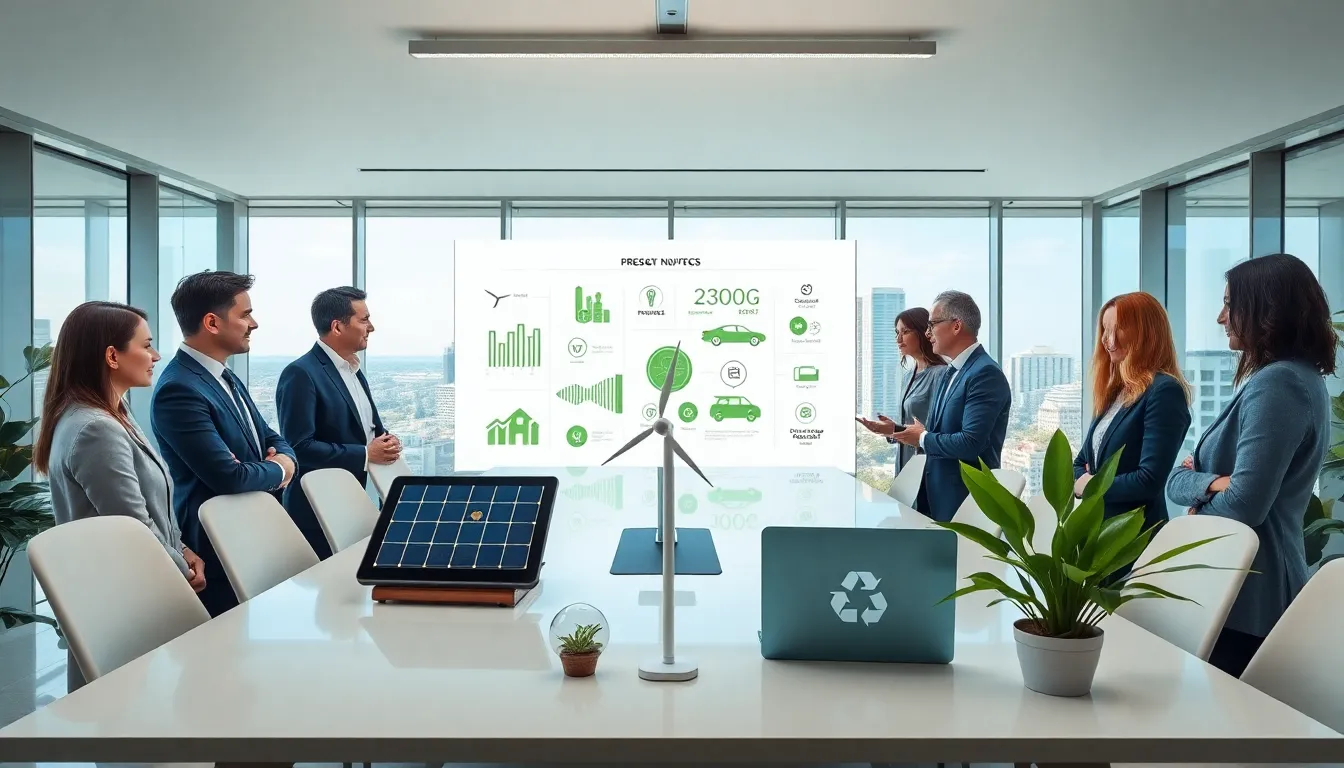

Sustainable technology ideas are changing how people live, work, and consume energy. From solar panels on rooftops to electric vehicles on highways, green innovations now touch nearly every aspect of daily life. The shift toward sustainability isn’t just a trend, it’s a necessary response to climate change, resource depletion, and rising energy costs. In 2024, global investment in clean energy surpassed $1.8 trillion, signaling that businesses and governments are taking this transition seriously.
This article explores the most promising sustainable technology ideas across four key areas: renewable energy, smart homes, transportation, and computing. Each section highlights practical solutions that reduce environmental impact while often saving money. Whether someone is a homeowner looking to cut utility bills or a business leader seeking greener operations, these innovations offer real paths forward.
Table of Contents
ToggleKey Takeaways
- Sustainable technology ideas span renewable energy, smart homes, transportation, and green computing—offering practical solutions that reduce environmental impact and save money.
- Smart home devices like thermostats, LED lighting, and water-saving systems can cut household energy consumption by 20-30%, with most investments paying off within 2-5 years.
- Electric vehicles now represent over 18% of global new car sales, with battery costs dropping 90% since 2010 and modern EVs offering 300+ miles of range.
- Advanced solar technologies like perovskite and bifacial panels are making renewable energy more efficient and affordable than ever before.
- Green computing practices, including energy-efficient data centers and repairable hardware designs, help tackle the 50+ million tons of e-waste generated annually.
- From hydrogen fuel cells to biodegradable electronics, emerging sustainable technology ideas are reshaping industries and creating pathways toward a cleaner future.
Renewable Energy Innovations
Renewable energy sits at the core of most sustainable technology ideas. Solar, wind, and hydroelectric power have matured from experimental projects into mainstream energy sources. But recent innovations push these technologies even further.
Solar Power Advances
Solar panels have become dramatically more efficient and affordable. Perovskite solar cells, a newer technology, can convert sunlight to electricity at rates exceeding 25%, nearly matching traditional silicon panels at a fraction of the manufacturing cost. Bifacial solar panels capture light from both sides, boosting energy output by 10-20% compared to standard models.
Community solar programs also make renewable energy accessible to renters and homeowners who can’t install rooftop panels. Participants subscribe to a local solar farm and receive credits on their electricity bills.
Wind Energy Breakthroughs
Offshore wind farms now generate massive amounts of clean electricity. The world’s largest offshore wind turbines stand over 850 feet tall and can power 16,000 homes each. Floating wind platforms open up deep-water locations previously too expensive to develop.
Smaller vertical-axis wind turbines work well in urban settings where traditional propeller designs struggle with turbulent airflow. These compact units fit on rooftops and along highways.
Energy Storage Solutions
Batteries solve renewable energy’s biggest challenge: intermittency. Lithium-ion technology dominates the market, but alternatives like sodium-ion and iron-air batteries promise cheaper, longer-lasting storage. Grid-scale battery installations now stabilize power networks in California, Australia, and Europe.
These sustainable technology ideas in renewable energy make clean power more reliable and cost-effective than ever before.
Smart and Eco-Friendly Home Technology
Smart home devices do more than add convenience, they significantly reduce energy waste. When combined, these sustainable technology ideas can cut household energy consumption by 20-30%.
Smart Thermostats and HVAC Systems
Programmable thermostats learn household schedules and adjust heating and cooling automatically. Devices like the Nest Learning Thermostat claim to save users an average of 10-12% on heating bills and 15% on cooling costs. Geofencing features detect when residents leave and return, preventing wasted energy on empty rooms.
Mini-split heat pumps offer another efficient option. They transfer heat rather than generate it, using up to 60% less energy than traditional furnaces and air conditioners.
Smart Lighting and Appliances
LED bulbs use 75% less energy than incandescent lights and last 25 times longer. Smart lighting systems dim automatically based on natural light levels and turn off in unoccupied rooms.
Energy Star-certified appliances, refrigerators, washers, dishwashers, consume significantly less electricity and water. Smart plugs monitor energy usage and identify “vampire” devices that drain power even when turned off.
Water Conservation Technology
Smart irrigation systems analyze weather forecasts and soil moisture levels before watering lawns. These controllers reduce outdoor water use by up to 50%. Low-flow showerheads and faucet aerators cut indoor water consumption without sacrificing pressure.
Greywater recycling systems capture water from sinks and showers for toilet flushing and landscape irrigation. These setups reduce household water demand by 30-50%.
Homeowners embracing these sustainable technology ideas often recover their investment within 2-5 years through lower utility bills.
Sustainable Transportation Solutions
Transportation accounts for roughly 16% of global greenhouse gas emissions. Sustainable technology ideas in this sector aim to electrify vehicles, improve efficiency, and reduce the need for car ownership altogether.
Electric Vehicles (EVs)
EV sales continue to surge worldwide. In 2024, electric vehicles represented over 18% of new car sales globally. Battery costs have dropped 90% since 2010, making EVs increasingly competitive with gas-powered cars.
Modern EVs offer ranges exceeding 300 miles on a single charge. Fast-charging networks expand monthly, with stations capable of adding 200 miles of range in 15 minutes. Major automakers have pledged to phase out internal combustion engines entirely by 2035.
Public Transit and Micromobility
Electric buses and trains move large numbers of people with minimal emissions per passenger. Cities like Shenzhen, China have converted their entire bus fleet, over 16,000 vehicles, to electric power.
E-bikes and electric scooters fill gaps in urban transit networks. These micromobility options produce zero direct emissions and reduce traffic congestion. Many cities now integrate bike-share and scooter-share programs with public transit apps.
Alternative Fuels
Hydrogen fuel cells power heavy trucks and buses where battery weight becomes impractical. Green hydrogen, produced using renewable electricity, could eventually fuel ships and aircraft.
Sustainable aviation fuel (SAF), made from waste oils and agricultural residues, reduces flight emissions by up to 80% compared to conventional jet fuel. Airlines have committed to using 10% SAF by 2030.
These sustainable technology ideas in transportation are reshaping how people and goods move around the planet.
Green Computing and E-Waste Reduction
The tech industry generates over 50 million tons of electronic waste annually. Green computing practices and circular economy principles offer sustainable technology ideas to address this growing problem.
Energy-Efficient Data Centers
Data centers consume about 1-1.5% of global electricity. Tech giants like Google and Microsoft now power their facilities entirely with renewable energy. Advanced cooling systems, including underwater data centers and AI-optimized airflow, reduce energy waste.
Edge computing processes data closer to users, cutting the energy needed to transmit information across long distances. This approach also improves performance for applications like video streaming and gaming.
Sustainable Hardware Design
Manufacturers increasingly design products for repairability and longevity. Fairphone, a Dutch company, builds modular smartphones with easily replaceable components. Framework laptops allow users to upgrade processors, memory, and ports without buying new machines.
Biodegradable electronics represent an emerging frontier. Researchers have developed circuit boards from cellulose and zinc that dissolve harmlessly in water.
E-Waste Recycling and Refurbishment
Professional e-waste recyclers recover valuable materials like gold, copper, and rare earth elements from discarded devices. Urban mining, extracting metals from electronics, now proves more efficient than traditional mining for some materials.
Refurbished electronics markets have grown substantially. Companies like Back Market and Apple’s Certified Refurbished program give devices second lives, keeping them out of landfills while offering consumers budget-friendly options.
These sustainable technology ideas in computing help reduce the environmental footprint of digital life.