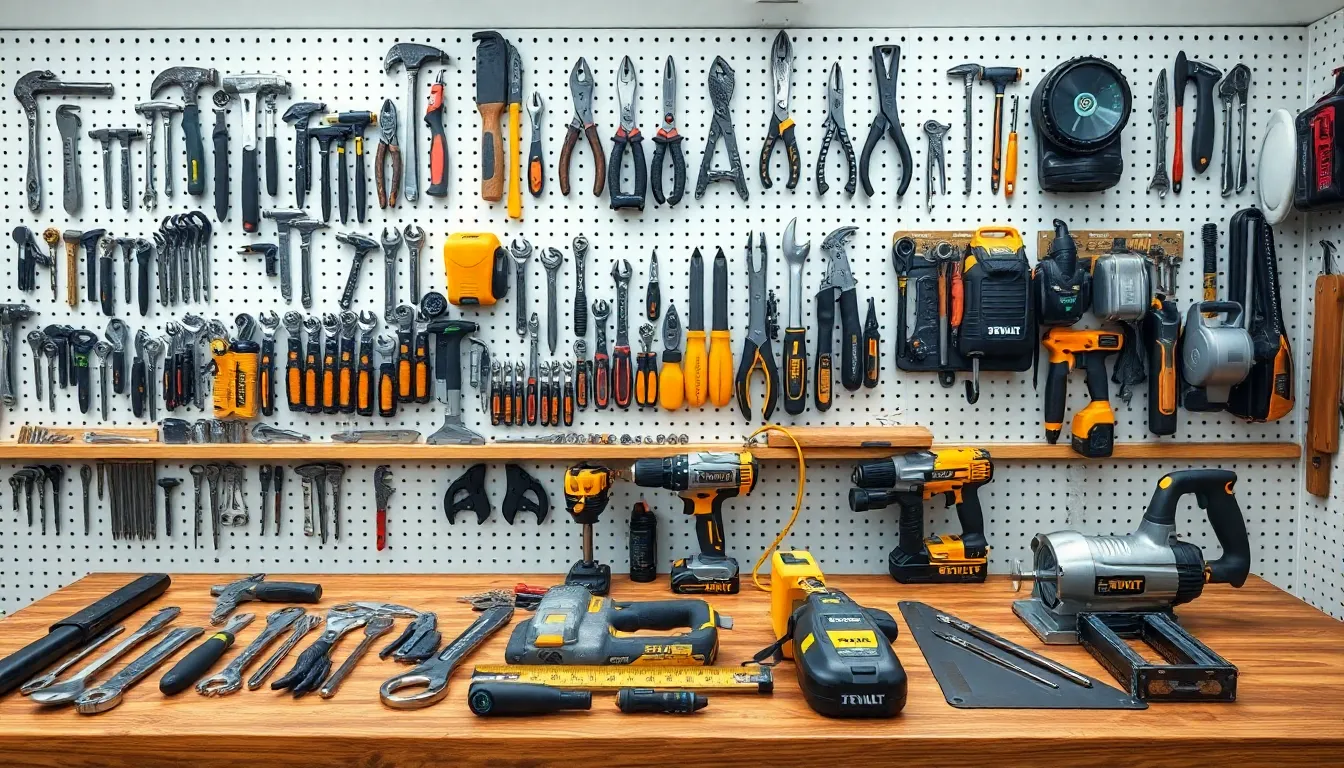

Hardware tools form the foundation of every successful project. Whether someone is building a deck, fixing a leaky faucet, or assembling furniture, the right tools make all the difference. This guide covers the essential hardware tools every DIYer and professional should know. From hand tools to power tools, measuring devices to maintenance tips, readers will find everything they need to build a complete toolkit. Understanding hardware tools helps users work faster, safer, and with better results.
Table of Contents
ToggleKey Takeaways
- Hardware tools are the foundation of every successful project, and building a complete toolkit includes hand tools, power tools, and measuring devices.
- Essential hand tools like hammers, screwdrivers, pliers, and wrenches require no electricity and work reliably in any situation.
- When buying power tools, match voltage to your needs—12V or 18V handles most home projects, while professionals benefit from 20V or higher systems.
- Accurate measuring tools such as tape measures, levels, and squares separate good work from great work by ensuring precision.
- Choose hardware tools by balancing quality, price, and intended use—occasional DIYers don’t need contractor-grade equipment.
- Proper maintenance including cleaning, sharpening, and lubrication extends tool life and keeps users safe during every project.
Types of Hand Tools
Hand tools are the backbone of any toolkit. They require no electricity or batteries, making them reliable in any situation. Every workshop needs a solid collection of these hardware tools.
Hammers come in several varieties. A claw hammer handles most household tasks like driving nails and prying boards. Ball-peen hammers work better for metalwork. Rubber mallets protect surfaces during assembly.
Screwdrivers rank among the most-used hardware tools in any home. A basic set should include both flathead and Phillips head options in multiple sizes. Many professionals also keep Torx and hex drivers on hand for specialized fasteners.
Pliers grip, twist, and cut with precision. Needle-nose pliers reach into tight spaces. Slip-joint pliers adjust to different widths. Locking pliers (often called Vise-Grips) clamp onto objects and stay put.
Wrenches turn nuts and bolts. Adjustable wrenches fit various sizes, while combination wrench sets offer fixed sizes for more torque. Socket wrench sets speed up automotive and mechanical work.
Handsaws still have their place even though power alternatives. A crosscut saw handles general lumber cutting. Hacksaws cut through metal and plastic pipes.
Power Tools for Home and Professional Use
Power tools multiply a worker’s efficiency. These hardware tools handle heavy-duty tasks that would take hours by hand.
Drills top the list of essential power tools. Cordless drills offer portability for most projects. Corded models provide consistent power for extended use. Impact drivers deliver extra torque for driving screws into dense materials.
Circular saws make straight cuts through lumber quickly. They’re lighter and more portable than table saws. Most contractors keep one on every job site.
Jigsaws cut curves and irregular shapes. They excel at cutting holes in countertops for sinks or making decorative cuts in wood.
Sanders smooth surfaces faster than hand sanding. Random orbital sanders work well for finishing. Belt sanders remove material quickly for rough shaping.
Reciprocating saws tear through demolition work. These hardware tools cut wood, metal, and plastic with the right blade. Plumbers and electricians use them daily.
When buying power tools, users should consider voltage for cordless options. Higher voltage means more power but also more weight. For occasional home use, 12V or 18V tools handle most tasks. Professional users often prefer 20V or higher systems.
Measuring and Layout Tools
Accurate measurement separates good work from great work. These hardware tools ensure precision on every project.
Tape measures belong in every pocket on the job site. A 25-foot tape handles most residential projects. The hook at the end should move slightly, this compensates for inside and outside measurements.
Levels keep work straight and plumb. A 4-foot level works for most framing tasks. Torpedo levels fit in tight spaces. Laser levels project lines across entire rooms for faster layout.
Squares verify 90-degree angles. Speed squares mark angles quickly on lumber. Combination squares check both 90 and 45-degree angles. Framing squares lay out stair stringers and rafters.
Chalk lines snap straight lines across long distances. They’re essential for laying flooring, setting tile, and framing walls.
Stud finders locate framing behind drywall. Modern versions detect electrical wires and pipes too. This prevents costly mistakes during installation work.
Professionals often invest in digital measuring tools. Laser distance measurers calculate room dimensions instantly. Digital angle finders display precise angles on an LCD screen.
How to Choose the Right Hardware Tools
Buying hardware tools requires balancing quality, price, and intended use. Smart shoppers follow a few key principles.
Match tools to projects. Occasional DIYers don’t need contractor-grade equipment. A mid-range drill handles weekend projects just fine. Professionals who use hardware tools daily should invest in commercial-quality options.
Check material quality. Steel tools should feel solid, not flimsy. Chrome vanadium steel resists wear better than basic steel. Fiberglass handles outlast wooden ones on striking tools.
Consider ergonomics. Comfortable grips reduce fatigue during long projects. Cushioned handles absorb shock. Tools should feel balanced in the hand.
Read reviews. Other users reveal real-world performance issues. Look for patterns in complaints, one bad review means little, but dozens about the same problem signal a design flaw.
Buy sets strategically. Starter sets offer value for new tool buyers. They typically include the most common sizes and types. Experienced users often buy individual pieces to fill specific gaps.
Think about battery systems. For cordless power tools, sticking with one brand means batteries work across multiple tools. This saves money and storage space over time.
Tool Maintenance and Safety Tips
Proper care extends the life of hardware tools and keeps users safe. A few minutes of maintenance prevents hours of problems.
Keep tools clean. Wipe them down after each use. Remove sawdust, dirt, and moisture. Store tools in dry locations to prevent rust.
Sharpen cutting edges. Dull blades work harder and create dangerous situations. A sharp saw cuts cleaner with less effort. Sharpen chisels, plane blades, and drill bits regularly.
Lubricate moving parts. Apply light oil to plier joints, adjustable wrench mechanisms, and power tool chucks. This prevents corrosion and ensures smooth operation.
Inspect tools before use. Check handles for cracks. Verify electrical cords have no damage. Replace worn parts immediately, a broken tool during use causes injuries.
Wear appropriate safety gear. Safety glasses protect eyes from flying debris. Hearing protection matters with loud power tools. Work gloves shield hands from sharp edges and splinters.
Use hardware tools as intended. A screwdriver isn’t a pry bar. A wrench isn’t a hammer. Using tools incorrectly damages them and creates hazards.
Store tools properly. Hanging systems keep edges protected. Toolboxes and chests organize collections. Proper storage makes finding the right tool faster and prevents damage.