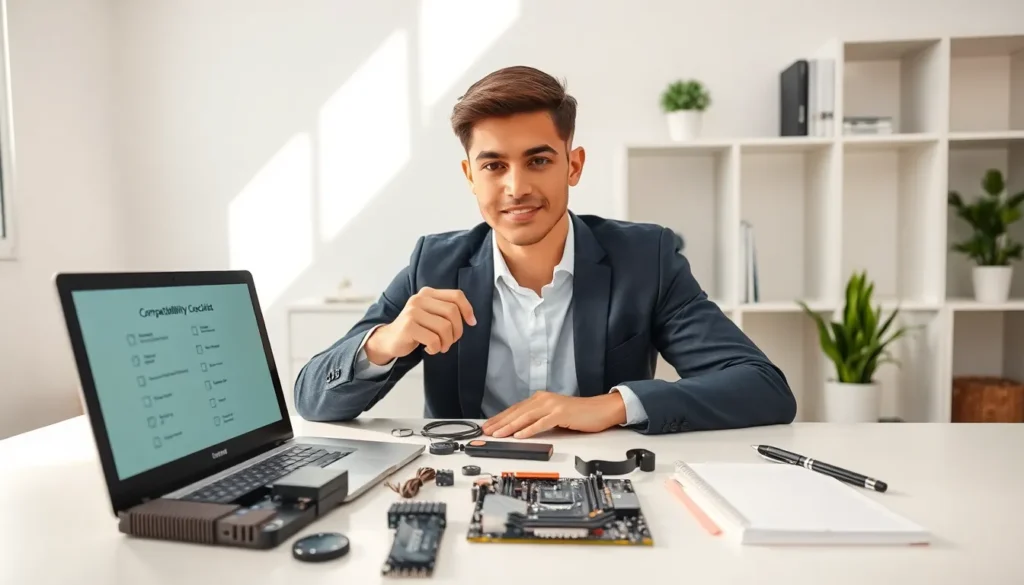
Learning how to hardware starts with understanding what makes a computer tick. Every desktop, laptop, and server relies on physical components working together. These parts determine speed, storage capacity, and overall performance. Whether someone wants to build their first PC or simply upgrade an existing system, knowing the basics matters. This guide breaks down essential computer hardware, explains how to choose the right components, and covers maintenance tips that extend a machine’s lifespan. By the end, readers will have a solid foundation for making informed hardware decisions.
Table of Contents
ToggleKey Takeaways
- Learning how to hardware starts with understanding essential components like the CPU, motherboard, RAM, storage drives, PSU, and GPU.
- Always match hardware components to your specific needs—gaming, content creation, and office work each require different specifications.
- Check compatibility before purchasing, as CPUs must fit specific motherboard sockets and RAM types must match motherboard specifications.
- Regular maintenance like cleaning dust, monitoring temperatures, and updating drivers extends hardware lifespan and maintains performance.
- Use surge protectors and back up data regularly to protect your hardware investment and prevent costly data loss.
What Is Computer Hardware?
Computer hardware refers to the physical parts of a computer system. These components are tangible, users can touch, see, and replace them. Hardware differs from software, which consists of programs and operating systems that run on the physical machine.
The term “hardware” covers everything from the central processing unit (CPU) to the keyboard and mouse. Internal hardware lives inside the computer case. External hardware connects from outside, like monitors and printers.
Understanding how to hardware means recognizing how these parts interact. The CPU processes instructions. Memory stores data temporarily. Storage drives hold files permanently. Each component serves a specific purpose, and they all communicate through the motherboard.
Hardware quality directly affects computer performance. Faster processors handle more tasks. More RAM allows better multitasking. Solid-state drives load programs quicker than traditional hard drives. When people ask how to hardware properly, they’re really asking how to match the right components to their specific needs.
Essential Hardware Components Every Computer Needs
Every functional computer requires several core hardware components. Here’s what powers the machines people use daily:
Central Processing Unit (CPU)
The CPU acts as the computer’s brain. It executes instructions from programs and coordinates other hardware. Popular manufacturers include Intel and AMD. Clock speed, measured in gigahertz, indicates processing power.
Motherboard
The motherboard connects all components together. It provides slots for the CPU, RAM, and expansion cards. Choosing a motherboard determines which other hardware a system can support.
Random Access Memory (RAM)
RAM provides temporary storage for active tasks. More RAM means smoother multitasking. Most modern computers need at least 8GB, though 16GB has become standard for many users.
Storage Drives
Storage drives hold the operating system, programs, and files. Hard disk drives (HDDs) offer large capacity at lower prices. Solid-state drives (SSDs) deliver faster read and write speeds but cost more per gigabyte.
Power Supply Unit (PSU)
The PSU converts electricity from the wall outlet into usable power for components. Wattage ratings indicate capacity. Systems with powerful graphics cards need higher-wattage power supplies.
Graphics Processing Unit (GPU)
The GPU handles visual output. Integrated graphics work for basic tasks. Dedicated graphics cards from NVIDIA or AMD support gaming, video editing, and 3D rendering.
Learning how to hardware effectively means understanding what each component contributes to overall system performance.
How to Choose the Right Hardware for Your Needs
Selecting hardware depends on intended use. A video editor needs different specs than someone who browses the web and checks email.
Define the Primary Purpose
Start by listing main activities. Gaming requires a strong GPU and fast processor. Office work prioritizes reliability over raw power. Content creation benefits from extra RAM and storage.
Set a Realistic Budget
Hardware prices range widely. High-end components offer top performance but cost significantly more. Mid-range parts often provide the best value for most users. Budget options work for basic computing needs.
Check Compatibility
Not all hardware works together. CPUs fit specific motherboard sockets. RAM types must match motherboard specifications. Always verify compatibility before purchasing.
Consider Future Upgrades
Smart buyers plan ahead. Choosing a motherboard with extra RAM slots allows later upgrades. Larger power supplies accommodate future graphics card improvements.
Read Reviews and Benchmarks
User reviews reveal real-world performance. Benchmark tests compare hardware objectively. These resources help buyers avoid products with known issues.
When someone asks how to hardware for their situation, the answer always starts with purpose. Match components to actual needs rather than buying the most expensive options available.
Basic Hardware Maintenance and Care Tips
Proper maintenance extends hardware lifespan and maintains performance. These practices keep computer components running smoothly.
Keep Components Clean
Dust accumulates inside computer cases. It blocks airflow and causes overheating. Clean vents and fans every few months using compressed air. A clean system runs cooler and lasts longer.
Monitor Temperatures
Overheating damages hardware over time. Free software tools display CPU and GPU temperatures. If readings run high, improve case ventilation or add cooling solutions.
Handle Components Carefully
Static electricity can destroy sensitive parts. Ground yourself before touching internal components. Hold cards by their edges rather than touching circuits directly.
Update Drivers Regularly
Drivers help hardware communicate with software. Manufacturers release updates that improve performance and fix bugs. Check for driver updates monthly.
Back Up Important Data
Storage drives eventually fail. Regular backups protect important files. External drives and cloud services offer reliable backup options.
Surge Protection
Power surges can fry computer hardware instantly. Use surge protectors or uninterruptible power supplies. These devices shield equipment from electrical spikes.
Knowing how to hardware includes knowing how to care for it. Good maintenance habits prevent problems and save money on replacements.