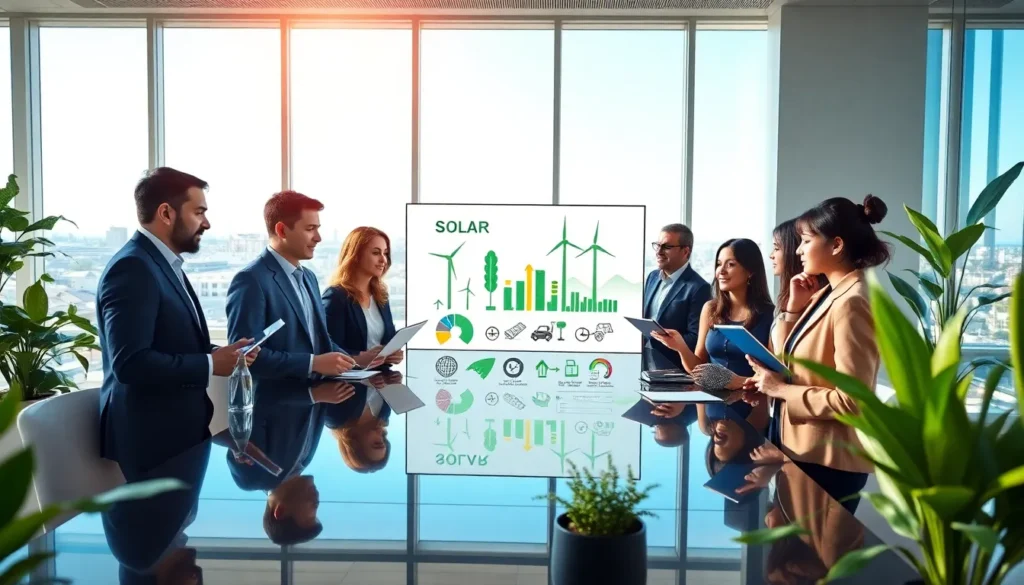
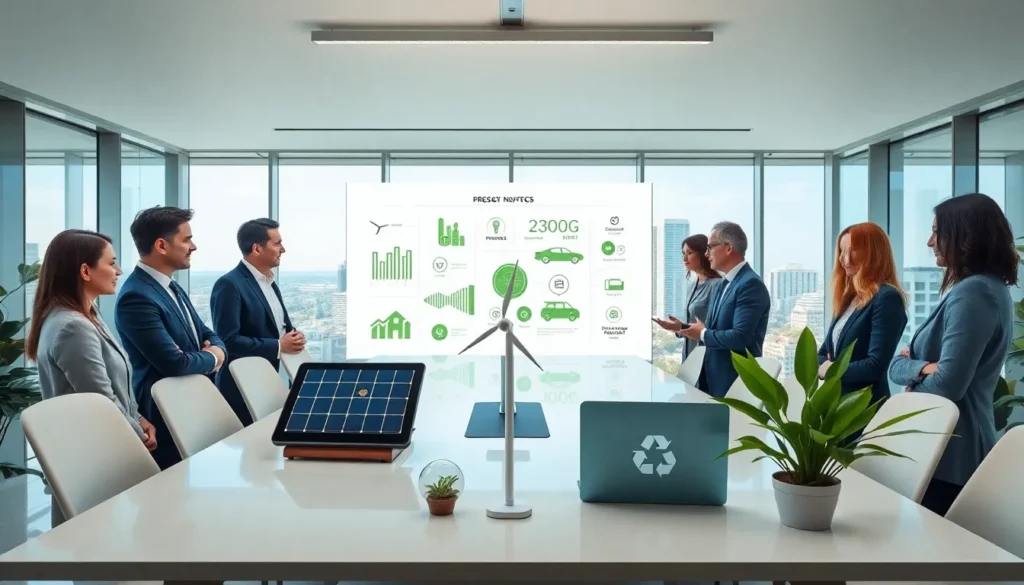
Sustainable technology examples are transforming industries and reshaping how societies address environmental challenges. From solar panels on rooftops to electric vehicles on highways, these innovations reduce carbon emissions and conserve natural resources. Businesses, governments, and individuals now invest in green solutions that balance economic growth with ecological responsibility.
This article explores the most impactful sustainable technology examples across multiple sectors. Readers will discover how renewable energy systems, electric vehicles, smart buildings, and agricultural innovations contribute to a cleaner planet. Each section highlights practical applications that demonstrate sustainability in action.
Table of Contents
ToggleKey Takeaways
- Sustainable technology examples span renewable energy, electric vehicles, smart buildings, and agriculture—each reducing environmental impact while supporting economic growth.
- Renewable energy systems like solar, wind, and hydroelectric power generated over 30% of global electricity in 2024, making them among the most impactful green innovations.
- Electric vehicles surpassed 40 million units globally in 2024, with expanding charging infrastructure making cleaner transportation accessible to millions.
- Smart building technologies, including intelligent HVAC systems and green materials, can reduce energy consumption by 10-15% and help structures achieve net-zero status.
- Precision farming and vertical agriculture use up to 95% less water than traditional methods while minimizing pesticide use and transportation emissions.
- Global investment in sustainable technology exceeded $1.7 trillion in 2023, reflecting strong consumer demand and regulatory momentum for greener solutions.
What Is Sustainable Technology?
Sustainable technology refers to innovations that meet current needs without compromising the ability of future generations to meet theirs. These technologies minimize environmental impact, reduce waste, and optimize resource use throughout their lifecycle.
Key characteristics of sustainable technology examples include:
- Low carbon footprint: Technologies that produce minimal greenhouse gas emissions during production and operation
- Resource efficiency: Systems that use fewer raw materials or incorporate recycled components
- Longevity and repairability: Products designed to last longer and be easily maintained
- Circular design: Solutions that allow materials to be reused or recycled at end of life
Sustainable technology spans numerous industries. Energy, transportation, construction, and agriculture all benefit from green innovations. The common thread? Each solution aims to decouple economic activity from environmental degradation.
The market for sustainable technology continues to grow rapidly. According to industry reports, global investment in clean energy alone exceeded $1.7 trillion in 2023. This surge reflects both consumer demand and regulatory pressure for greener alternatives.
Renewable Energy Systems
Renewable energy systems represent some of the most recognizable sustainable technology examples worldwide. These systems generate power from sources that naturally replenish, such as sunlight, wind, and water.
Solar Power Technology
Solar panels convert sunlight directly into electricity using photovoltaic cells. Residential installations have become increasingly affordable, with costs dropping over 80% since 2010. Commercial solar farms now power entire communities, while floating solar arrays use water surfaces in land-scarce regions.
Wind Energy Solutions
Wind turbines capture kinetic energy from air currents and transform it into electrical power. Offshore wind farms take advantage of stronger, more consistent coastal winds. Modern turbines can generate enough electricity to power thousands of homes from a single unit.
Hydroelectric and Geothermal Systems
Hydroelectric dams harness the energy of flowing water to produce electricity. Small-scale hydropower systems offer communities off-grid solutions without massive infrastructure projects. Geothermal plants tap heat from beneath Earth’s surface, providing consistent baseload power regardless of weather conditions.
These renewable energy sustainable technology examples collectively generated over 30% of global electricity in 2024. Battery storage systems complement these sources by storing excess energy for use during peak demand periods.
Electric and Alternative Fuel Vehicles
Transportation accounts for approximately 16% of global greenhouse gas emissions. Electric and alternative fuel vehicles offer sustainable technology examples that directly address this sector’s environmental impact.
Battery Electric Vehicles (BEVs)
Battery electric vehicles run entirely on electricity stored in rechargeable battery packs. Major automakers now offer multiple EV models across price points. The global EV fleet surpassed 40 million units in 2024, with sales accelerating in North America, Europe, and Asia.
Charging infrastructure has expanded dramatically. Public charging stations, workplace chargers, and home installations make EV ownership practical for millions of drivers. Fast-charging technology can replenish batteries to 80% capacity in under 30 minutes.
Hydrogen Fuel Cell Vehicles
Hydrogen fuel cell vehicles generate electricity through a chemical reaction between hydrogen and oxygen. These vehicles emit only water vapor from their tailpipes. Heavy-duty trucks and buses benefit particularly from hydrogen technology due to longer ranges and faster refueling times compared to battery alternatives.
Biofuel-Powered Transportation
Biofuels derived from plant materials, agricultural waste, and algae provide lower-carbon alternatives to petroleum. Aviation and shipping industries increasingly adopt sustainable aviation fuel (SAF) and marine biofuels to reduce their carbon footprints.
These sustainable technology examples in transportation demonstrate that cleaner mobility options exist across vehicle types and use cases.
Smart Building and Energy Efficiency Solutions
Buildings consume roughly 40% of global energy and produce significant carbon emissions. Smart building technologies and energy efficiency solutions represent essential sustainable technology examples for reducing this impact.
Intelligent HVAC and Lighting Systems
Smart thermostats learn occupant preferences and adjust heating and cooling automatically. These devices can reduce energy consumption by 10-15% compared to conventional systems. Occupancy sensors dim or turn off lights in unoccupied spaces, while LED lighting uses 75% less energy than incandescent bulbs.
Green Building Materials
Sustainable construction materials include recycled steel, bamboo, reclaimed wood, and low-carbon concrete alternatives. Cross-laminated timber (CLT) stores carbon while providing structural strength comparable to steel. Green insulation materials like recycled cellulose improve thermal performance without harmful chemicals.
Building Energy Management Systems
Building energy management systems (BEMS) monitor and control energy use across entire facilities. These platforms integrate data from multiple sources to optimize performance. Some systems use artificial intelligence to predict energy needs and adjust operations proactively.
Net-zero buildings represent the ultimate goal for sustainable construction. These structures generate as much energy as they consume through on-site renewable generation and extreme efficiency measures. The number of certified green buildings worldwide continues to climb each year.
These sustainable technology examples prove that the places where people live and work can become part of the climate solution.
Sustainable Agriculture Technology
Agriculture faces a dual challenge: feeding a growing global population while reducing environmental harm. Sustainable agriculture technology examples address both concerns through innovation.
Precision Farming Tools
Precision agriculture uses GPS, sensors, and data analytics to optimize crop management. Farmers apply water, fertilizers, and pesticides only where needed, reducing waste and runoff. Drone technology enables aerial monitoring of crop health across large areas.
Vertical and Indoor Farming
Vertical farms grow crops in stacked layers within controlled environments. These facilities use up to 95% less water than traditional farming and eliminate the need for pesticides. Urban locations reduce transportation distances and associated emissions. LED grow lights provide optimal wavelengths for plant growth while consuming minimal energy.
Regenerative Agriculture Practices
Regenerative agriculture focuses on soil health through cover cropping, reduced tillage, and diverse crop rotations. Healthy soils sequester carbon from the atmosphere, turning farmland into a carbon sink rather than a source. These practices also improve water retention and reduce erosion.
Alternative Protein Production
Plant-based proteins and cultured meat technologies reduce the environmental footprint of protein production. Traditional livestock farming requires significant land, water, and feed resources. Alternative proteins offer nutritious options with a fraction of the environmental impact.
Sustainable agriculture technology examples show how food production systems can evolve to support both human nutrition and planetary health.