
The best sustainable technology offers practical solutions for reducing environmental impact while improving daily life. From solar panels to electric vehicles, these innovations help individuals and businesses lower carbon footprints and cut energy costs. Sustainable technology has moved from niche markets to mainstream adoption, driven by climate concerns and economic benefits.
This guide explores the top sustainable technologies available today. Readers will discover how renewable energy, green transportation, and smart home devices create measurable environmental benefits. The article also provides clear guidance for selecting sustainable technology that fits specific needs and budgets.
Table of Contents
ToggleKey Takeaways
- The best sustainable technology reduces environmental impact while delivering financial benefits through lower utility bills and tax incentives.
- Solar panels have dropped 89% in cost since 2010, making them the most accessible sustainable technology for homes and businesses.
- Electric vehicles now represent 18% of global new car sales, with battery improvements extending ranges beyond 300 miles.
- Smart home devices like thermostats and LED lighting can reduce energy consumption by 10-75% depending on the technology.
- Start with an energy audit to identify where sustainable technology investments will have the greatest impact on your consumption.
- Federal tax credits cover 30% of solar installation costs through 2032, significantly reducing upfront investment.
What Is Sustainable Technology?
Sustainable technology refers to products and systems designed to minimize environmental harm throughout their lifecycle. These technologies reduce resource consumption, lower emissions, and promote long-term ecological balance. The best sustainable technology achieves these goals without sacrificing performance or convenience.
Key characteristics define sustainable technology:
- Energy efficiency: Uses less power to accomplish the same tasks
- Renewable materials: Incorporates recycled or naturally replenishing resources
- Reduced emissions: Produces fewer greenhouse gases during operation
- Longevity: Built to last, reducing waste from frequent replacements
- Recyclability: Designed for easy end-of-life processing
Sustainable technology spans multiple sectors. Energy production, transportation, construction, and consumer electronics all feature innovations that reduce environmental impact. The global sustainable technology market reached $13.76 billion in 2023 and continues growing as adoption accelerates.
Businesses and consumers increasingly recognize that sustainable technology delivers financial returns alongside environmental benefits. Lower utility bills, tax incentives, and reduced maintenance costs make these investments attractive. The best sustainable technology options pay for themselves over time while contributing to broader climate goals.
Top Sustainable Technologies Making an Impact
Several categories of sustainable technology stand out for their proven effectiveness and widespread adoption. These solutions offer immediate benefits while supporting long-term environmental objectives.
Renewable Energy Systems
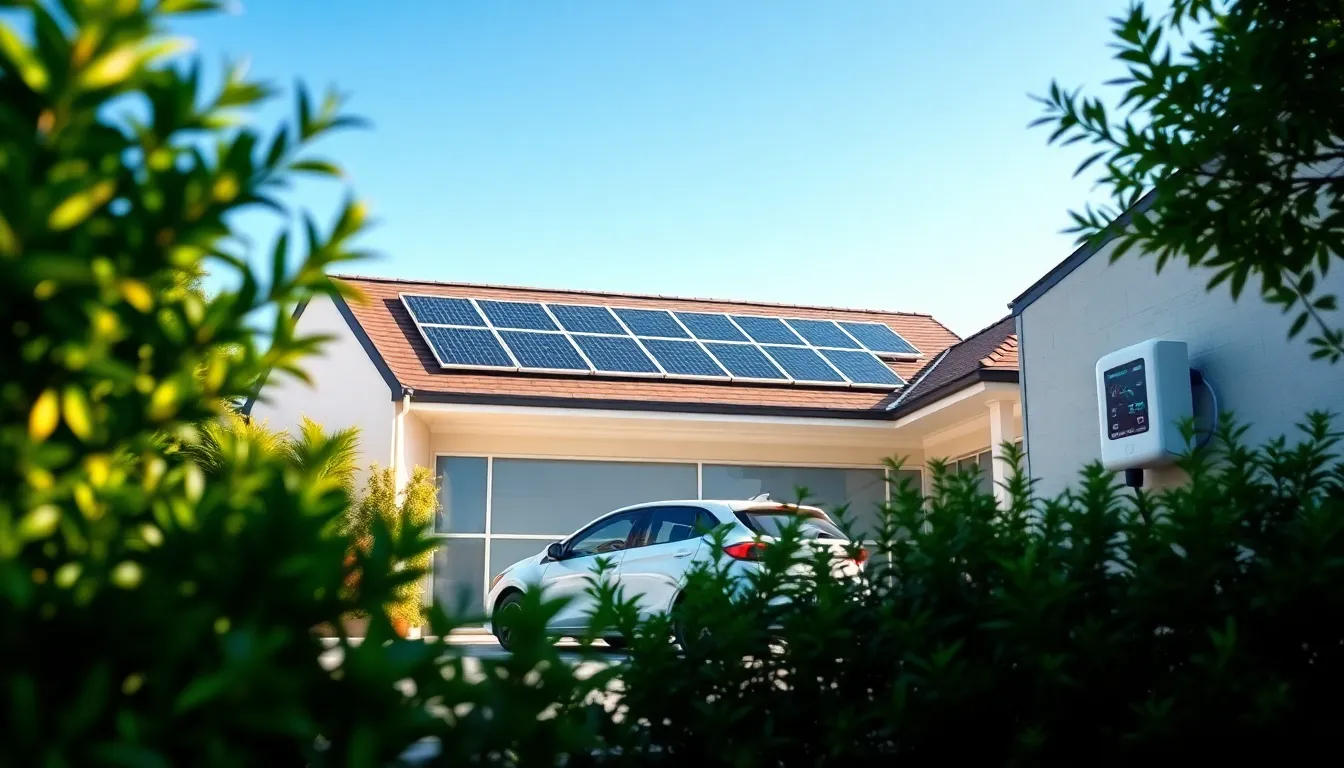
Solar panels remain the most accessible form of sustainable technology for homeowners and businesses. Modern photovoltaic systems convert sunlight into electricity with efficiency rates exceeding 22% for residential installations. Costs have dropped 89% since 2010, making solar power competitive with traditional grid electricity in most regions.
Wind energy represents another major sustainable technology category. Small-scale wind turbines suit rural properties, while utility-scale wind farms generate power for entire communities. Offshore wind installations have expanded rapidly, with global capacity doubling between 2020 and 2024.
Battery storage systems complement renewable energy installations. Lithium-ion batteries store excess solar or wind power for use during peak demand or outages. Home battery systems from manufacturers like Tesla and Enphase integrate seamlessly with existing solar setups.
Electric Vehicles and Green Transportation
Electric vehicles (EVs) have become mainstream sustainable technology. Global EV sales surpassed 14 million units in 2023, representing 18% of all new car purchases. Battery technology improvements have extended driving ranges beyond 300 miles for many models.
The best sustainable technology in transportation includes:
- Battery electric vehicles: Zero direct emissions during operation
- Plug-in hybrids: Combine electric motors with fuel engines for flexibility
- Electric bicycles: Reduce car dependence for short trips
- Public transit electrification: Buses and trains powered by clean electricity
Charging infrastructure continues expanding. The United States added over 30,000 public charging stations in 2024 alone. Home charging units allow EV owners to refuel overnight using off-peak electricity rates.
Energy-Efficient Smart Home Devices
Smart home technology delivers sustainable benefits through automated energy management. Smart thermostats learn household patterns and adjust heating and cooling accordingly. Studies show these devices reduce HVAC energy use by 10-15% annually.
LED lighting paired with smart controls represents simple but effective sustainable technology. LED bulbs use 75% less energy than incandescent alternatives and last 25 times longer. Motion sensors and scheduling features eliminate wasted lighting in unoccupied rooms.
Smart power strips detect when devices enter standby mode and cut phantom power drain. This sustainable technology addresses the 5-10% of residential electricity wasted by idle electronics. Water-saving smart irrigation systems monitor weather conditions and soil moisture to optimize lawn and garden watering.
How to Choose Sustainable Technology for Your Lifestyle
Selecting the best sustainable technology requires matching solutions to specific circumstances. Budget, location, and existing infrastructure all influence which options deliver the greatest value.
Start with an energy audit. Understanding current consumption patterns reveals where sustainable technology investments will have the largest impact. Many utility companies offer free or subsidized audits that identify efficiency opportunities.
Consider these factors when evaluating sustainable technology:
Upfront costs vs. long-term savings: Solar panels require significant initial investment but generate free electricity for 25+ years. Smart thermostats cost under $300 and typically pay for themselves within two years.
Installation requirements: Some sustainable technology integrates easily into existing homes. Others require electrical upgrades, structural modifications, or professional installation. Factor these costs into purchase decisions.
Available incentives: Federal tax credits, state rebates, and utility programs reduce the effective cost of sustainable technology. The federal solar tax credit covers 30% of installation costs through 2032. Many states offer additional incentives for EVs, heat pumps, and energy storage.
Climate and geography: Solar panels perform best in sunny regions, while wind power suits areas with consistent breezes. Heat pumps work efficiently in moderate climates but may need supplemental heating in extreme cold.
Research product reviews and certifications before purchasing sustainable technology. Energy Star ratings indicate products meeting strict efficiency standards. Look for warranties that protect long-term investments.
Prioritize high-impact changes first. Replacing an old HVAC system or switching to an electric vehicle typically generates larger environmental benefits than adding smart plugs. Create a phased plan that addresses major energy consumers before tackling smaller improvements.